Chardham — Yamunotri, Gangotri, Kedarnath and Badrinath — is one of northern India’s most important Hindu pilgrimages. Traditionally it’s an arduous journey by road and on foot through stunning but challenging Himalayan terrain that can take 10–12 days (or longer) by conventional transport. In recent years helicopter services have become widely available, offering a dramatically different way to complete the circuit. Below I break down the key advantages and disadvantages of doing the Chardham Yatra by helicopter, with practical tips so you can make an informed choice.
What “Chardham by helicopter” actually means (logistics & route)
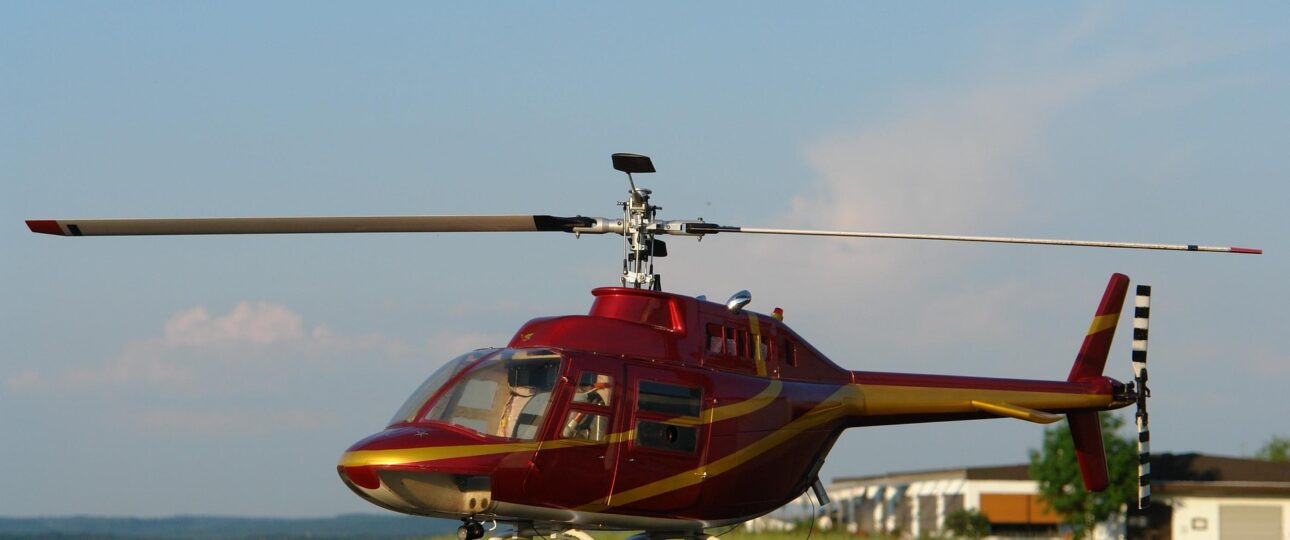
Helicopter Chardham packages typically fly pilgrims from a lowland base (Dehradun or Sahastradhara helipad) into dedicated helipads near each dham: Kharsali for Yamunotri, Harsil (or nearby pads) for Gangotri, and helipads serving Kedarnath (Phata/Deori/Guptkashi area approaches) and Badrinath. Operators run multi-day itineraries that string these landings together so you can visit all four shrines in a compressed schedule — many companies advertise 4–6 day packages instead of the fortnight a road trip might take.
The Pros
1. Huge time savings
The most obvious advantage: helicopters cut travel time drastically. Routes that take many hours or days by bus, car and foot are compressed into short flights and brief transfers, so the entire Chardham circuit can often be completed in 4–6 days depending on the package. For pilgrims with limited vacation time, mobility issues, or urgent reasons to finish quickly, this is a major benefit.
2. Accessibility for elderly or infirm pilgrims
Helicopter access opens the pilgrimage to people who would struggle with long road journeys, high-altitude treks, or multi-day physical strain — elderly devotees, people with joint problems, or those with certain medical conditions. The ability to reach the vicinity of the temples without long walks makes the spiritual experience possible for many who otherwise couldn’t attempt it.
3. Comfort and convenience
Helicopter trips are hotel-to-helipad-to-hotel affairs: comfortable VIP or premium hotels, less time spent on the road, and fewer overnight bus rides. Luggage handling is simpler and the itinerary is more predictable in ideal weather. For travelers who value comfort and a more organized experience, helicopter packages deliver.
4. Scenic views and a unique experience
Flying into the high Himalaya gives spectacular aerial vistas of valleys, glaciers and peaks that you cannot get from the road. For many pilgrims the flight itself — the panoramic views of the Garhwal mountains — is part of the spiritual and emotional appeal.
5. Can be safer than long road travel (context-dependent)
Long, winding Himalayan roads carry their own risks: landslips, narrow passes, and fatigue-related crashes. When flown in good weather by reputable operators, helicopter transport can avoid hours on hazardous roads. However — and this is crucial — aviation in mountainous terrain has its own safety challenges (see Cons). The relative safety depends heavily on operator competence, aircraft, weather and regulatory oversight.
The Cons
1. High cost
Helicopter Chardham packages are expensive. Typical full 4-dham helicopter packages commonly start around ₹1.8 lakh per person and can go significantly higher depending on services, aircraft used, hotel grade and season; some operators quote upwards of ₹2–2.4 lakh per person or more for VIP options. For many pilgrims this puts the helicopter option out of reach.
2. Weather dependency and cancellations
Mountain flying is highly weather-sensitive. Flights are often delayed or cancelled for cloud, wind, poor visibility or sudden weather shifts. That makes the itinerary less certain than advertised — several days of tightly scheduled flights can be disrupted, which is stressful and can add unexpected accommodation or transfer costs.
3. Safety concerns and recent incidents
While many helicopter flights operate incident-free, the region has seen fatal accidents and emergency landings in recent years. After serious crashes, authorities have sometimes suspended services temporarily while investigating. These events highlight the operational risks of flying in mountainous, radar-poor regions and underline the importance of operator safety records, aircraft maintenance, and regulatory oversight. If safety is your priority, research recent safety notices and choose licensed, well-reviewed operators.
4. Environmental and community impact
Helicopter operations bring noise, emissions and increased human footprint to fragile mountain ecosystems. The influx of day-trippers and frequent flights can disturb wildlife, increase local pollution and strain small mountain communities. Pilgrimage by road and foot — while not impact-free — tends to distribute visitor load differently than concentrated heli-traffic.
5. Less of a “pilgrimage journey” experience
For many devotees, the Chardham is not just a checklist of temples but a spiritual journey that involves long travel, visits to small roadside shrines, interaction with locals, and time for reflection. A helicopter yatra is a fast, packaged experience: efficient but sometimes impersonal. If the pilgrimage’s physical challenge and slower travel are part of the meaning for you, helicopter travel may feel unsatisfying.
6. Limited seats, booking scams and logistics headaches
Helicopter seats are limited and during peak season demand far outstrips supply. That has led to cases of fraud and ticket scams by unscrupulous agents — deposits taken for seats that don’t exist, or extra payments demanded locally. Always use official booking channels (authorized operators, well-known travel companies, or government portals where available) and avoid paying through unknown middlemen.
Practical tips if you’re considering the helicopter option
Choose reputable operators
Research operator safety records, fleet age, pilot experience in mountain operations, and licenses. Larger, established companies and recognized travel brands usually have better checks and insurance.
Book through official portals or well-known travel agents
Use the operator’s official site, trusted aggregators with verified reviews, or government-authorized booking systems (where provided). Avoid cash deals with unknown agents. Keep all receipts and confirmation references.
Have contingency time
Build a buffer into your schedule — expect at least one weather-driven delay. If you must be back by a fixed date (flight home, work deadline), account for potential cancellations.
Read the fine print on refunds and cancellation policy
Aviation is weather-driven. Make sure the package’s refund policy for cancelled flights is clear, and understand who covers extra hotel nights if flights are grounded.
Insurance and health precautions
Take travel insurance that covers helicopter travel and emergency evacuation if possible. Discuss any medical conditions with your doctor ahead of time; altitude can affect people differently even on short flights and at high-altitude pads.
Respect local rules and the environment
Follow helipad instructions, respect local communities and reduce littering/noise at landing sites. If environmental conservation matters to you, ask operators about policies to reduce impact.
Who should choose helicopter Chardham — and who should not?
Good candidates: Pilgrims with limited time; elderly or those with mobility constraints; travelers who prioritize comfort and spectacular aerial views; people who can afford the higher cost and accept some weather risk.
Less-suited: Budget travelers; those seeking the “traditional pilgrimage” experience of long road and foot travel; people who are uncomfortable with aviation risk in mountainous regions; anyone who prefers a guaranteed schedule without weather-related variability.
Conclusion — weigh the trade-offs
Chardham by helicopter turns a long, physically demanding pilgrimage into an accessible, fast and comfortable experience. For many devotees it’s an invaluable option — enabling spiritual fulfillment that otherwise might not be possible. But that convenience comes with a steep price tag, weather vulnerability, environmental considerations and genuine safety questions that deserve careful attention.
If you’re considering a helicopter package, do your homework: check operator credentials and recent safety records, book through official channels, buy suitable insurance, and build contingency time. For some the helicopter route will be the best way to complete a sacred journey; for others, the slower road route — with its physical trials and quieter moments — will remain a more meaningful pilgrimage. Either way, planning and informed choices will make the experience safer and more spiritually rewarding.