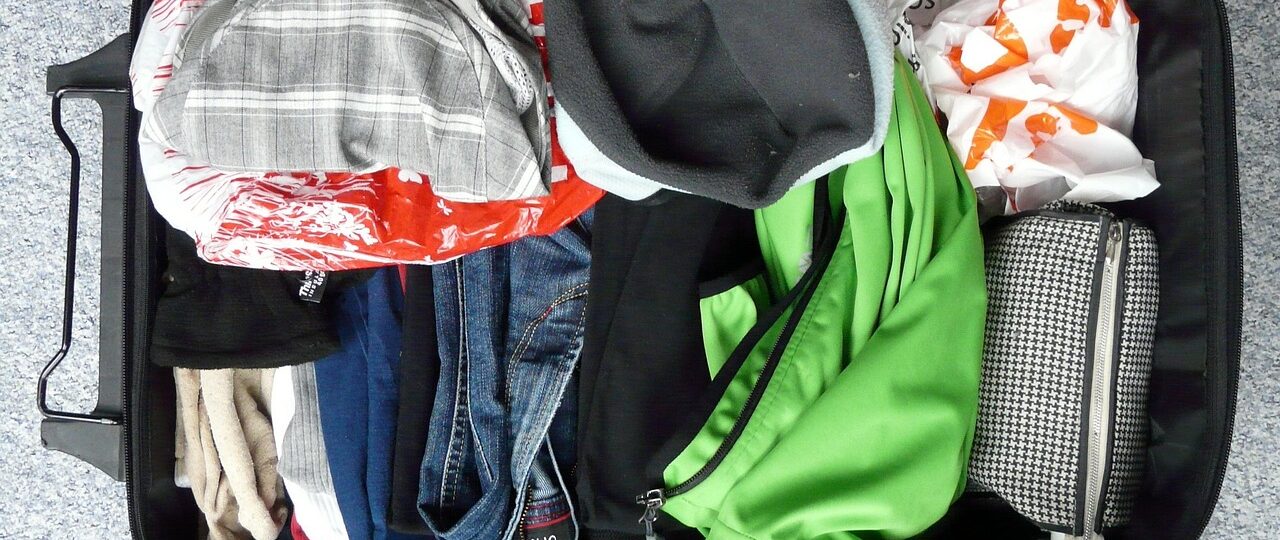
Heading to the Chardham — the four sacred Himalayan shrines — is a beautiful, humbling experience. But high altitudes, quickly changing weather, long drives/treks and limited facilities at some stops mean packing smart is half the pilgrimage. Below is a practical, detailed packing guide that covers what to bring, why it matters, and how to organize it so your journey stays comfortable, safe and respectful.
Quick note on the four shrines
- Badrinath Temple
- Kedarnath Temple
- Gangotri Temple
- Yamunotri Temple
These places sit at high altitudes and in ecologically sensitive terrain — expect cold nights, possible rain or snow even in summer, and basic facilities outside main towns. Layered clothing and medical preparedness are essential.
Documents, money & admin (must-haves)
- Government photo ID (Aadhaar/Passport/Driving licence) + 2 photocopies. Many checkpoints and hotels require ID.
- Permits/booking confirmations: If you’ve booked helicopter or government bus slots, keep screenshots and printed copies.
- Emergency contacts + local numbers: hotel, tour operator, medical helpline.
- Cash (small notes) — ATMs can be scarce in remote stops; carry enough for tea, porters, puja offerings and contingency.
Keeping digital copies of documents on your phone (and offline) helps if physical copies are misplaced.
Clothing — pack for layers, not fashion
The mountains demand flexible layers. Aim to be able to add or remove warmth quickly.
Essentials:
- Lightweight thermal innerwear (top & bottom).
- Quick-dry base layers (full-sleeve shirts and track pants).
- Fleece jacket + down/insulated jacket (packable).
- Waterproof windcheater / rain jacket with hood (and waterproof pants if you expect heavy rain). Rain and snow can happen suddenly.
- Woolen cap, gloves (warm + lightweight liner pair), and a scarf/muffler.
- 3–4 pairs of quick-dry socks + 1–2 woolen pairs.
- Comfortable sleepwear and modest clothes for temple visits (avoid revealing clothing; many temples prefer dupattas / shawls).
Packing tips: roll garments to save space; use packing cubes for thermals, tops, and socks so you can access layers quickly.
Footwear & trekking gear
- Sturdy waterproof trekking shoes (broken-in!). Trails and temple approaches can be slippery, stony, or muddy — shoes matter.
- Lightweight sandals / slippers for evening and as backup footwear.
- Good-quality gaiters (optional) if you’re trekking in snow or heavy rain.
- Trekking poles — reduce strain on knees during steep descents.
- A 15–25L waterproof daypack for temple visits/short hikes; main pack should be 50–60L if you’re self-carrying. Wheeled luggage is impractical in many areas.
Health & first-aid (non-negotiable)
Altitude, long travel and sudden weather mean you should prioritize health items:
- Personal prescription medicines (in original labelled containers) + a copy of prescriptions.
- Altitude sickness essentials: acetazolamide if prescribed, or at least prophylactic advice/meds from your doctor. Don’t ignore breathlessness, dizziness, or extreme fatigue.
- Basic first-aid kit: antiseptic wipes, band-aids, sterile gauze, tape, painkillers (paracetamol/ibuprofen), antihistamine, antiseptic cream.
- ORS/ORS sachets, rehydration salts and oral antacids/antidiarrheal.
- Thermometer, hand sanitizer, and insect repellant.
- A small roll-up thermal blanket or emergency bivvy (very useful if travel is disrupted).
Tip: Consult your doctor before travel for altitude-med advice, especially if you have heart/lung issues.
Toiletries & hygiene
- Travel towel (quick-dry), biodegradable soap and shampoo, toothbrush, toothpaste. Consider eco-friendly products to reduce environmental impact.
- Wet wipes, toilet paper (small roll), and a small trowel or sealable bag for waste if needed.
- Sunscreen (high SPF) and lip balm with SPF — UV is stronger at altitude.
- Toilet seat covers (optional but handy in basic public restrooms).
Electronics & comfort items
- Power bank (high capacity) — electricity can be intermittent.
- Phone + universal travel adaptor (if needed). Carry charging cables and a small multi-plug.
- Headlamp / flashlight (with spare batteries) — useful for power cuts and early morning temple queues.
- Camera (or good phone camera) with spare memory cards.
- Portable water purifier bottle or purification tablets — clean drinking water is essential.
Food, water & small comforts
- Reusable water bottle (eco-friendly). Fill from safe sources or use purification tablets. This reduces plastic waste.
- Dry snacks: energy bars, roasted chana, mixed nuts, glucose/ORs sachets — useful when shops are closed or during long drives.
- Instant coffee/tea sachets if you prefer your own brew.
Eco & etiquette essentials
- Carry a small rubbish bag — keep waste with you until proper disposal. The CharDham area is ecologically fragile; minimizing litter is part of respectful pilgrimage.
- Avoid single-use plastics where possible; prefer refillable toiletry bottles and biodegradable soap.
- Modest donations: small coins or prasadam envelopes. Respect local customs and follow temple guidelines.
Organization & packing hacks
- Use waterproof stuff-sacks or zip-locks for electronics and documents.
- Packing cubes separate clean/dirty clothes.
- Keep a “day essentials” pouch (ID, cash, phone, small meds, wet wipes) ready in your daypack.
- Put heavy items close to your back in the main backpack to maintain balance.
- If travelling in monsoon or shoulder seasons, add a small umbrella and extra waterproof layers.
Special considerations
- For seniors/children: extra medications, warm layers, and a lightweight folding chair for long queues can be lifesavers. Ask hotels about oxygen availability if a family member has breathing issues.
- If flying/helicopter to shrines: pack light — helicopter operators have strict luggage limits. Keep important meds and documents in your carry-on.
- Travel insurance: strongly recommended — includes emergency evacuation coverage for remote areas.
Final checklist (short)
Documents, bookings, ID, copies — ✓
Cash + cards — ✓
Thermals, fleece, down jacket — ✓
Waterproof jacket, rain pants — ✓
Trekking shoes + sandals — ✓
Daypack + trekking poles — ✓
Med kit + altitude meds — ✓
Reusable bottle + purifier tablets — ✓
Power bank + headlamp — ✓
Biodegradable toiletries + small rubbish bags — ✓
Closing tip
Pack light but wisely: prioritize safety, warmth and hygiene over extras. The terrain and weather change quickly in the Garhwal Himalaya, and being prepared — especially medically and with the right layers — will keep your focus on the pilgrimage, not on discomfort. Safe yatra — and may your journey be peaceful and fulfilling.