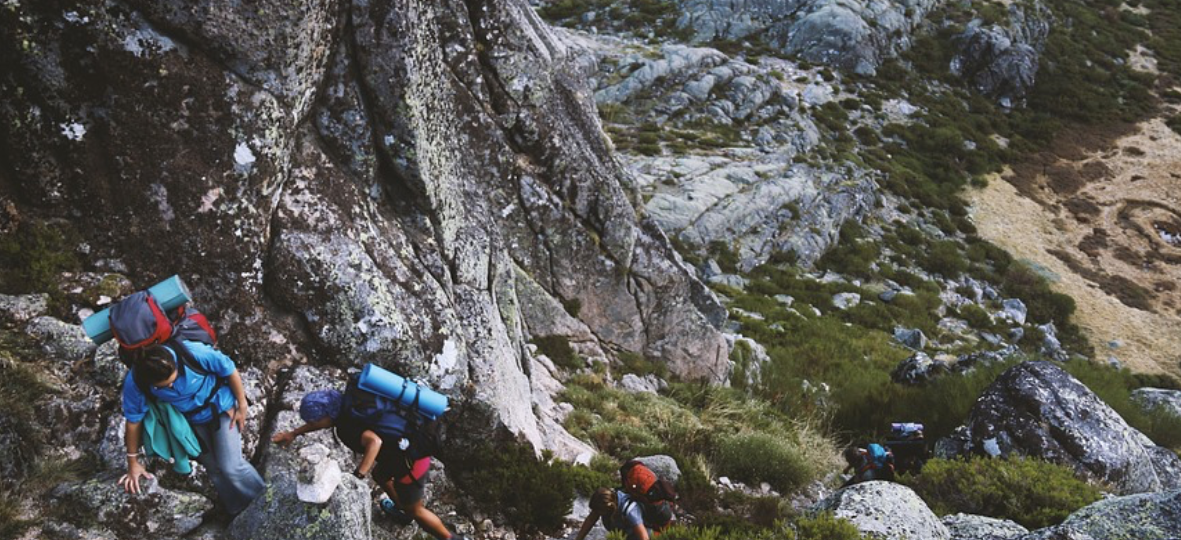
A trip to Kedarnath is not just a pilgrimage; it is a test of endurance, preparation, and faith. The 16 km trek from Gaurikund to Kedarnath is beautiful, but it is also steep, unpredictable, and physically demanding. The weather can change quickly, the terrain can be rough, and the altitude can make even simple tasks feel harder than usual. That is why packing the right things is not optional. It is the difference between a manageable journey and a stressful one.
Whether you are walking the entire route yourself or planning to use ponies, palkis, or helicopter support for part of the journey, you still need to carry the right essentials. Your backpack should be light, practical, and carefully chosen for mountain conditions. The goal is simple: stay warm, dry, safe, energized, and comfortable throughout the journey.
Here is a detailed guide on what to pack for Kedarnath’s tough 16 km hike.
1. Start with the Right Backpack
Before thinking about clothes, snacks, or medicines, begin with the bag itself. A good backpack is your travel partner on the trek. Choose a durable, weather-resistant backpack with padded shoulder straps and a waist belt. A 20–30 liter bag is usually enough for a day trek or an overnight trip if you pack smartly.
Your bag should be:
- Lightweight but strong
- Comfortable to carry for long hours
- Easy to open and organize
- Water-resistant or covered with a rain cover
Avoid oversized bags. Many first-time travelers make the mistake of carrying too much. On a steep mountain trail, every extra kilogram matters. Keep your bag compact and efficient.
2. Clothing: Dress in Layers
The weather at Kedarnath can shift from cold mornings to sunny afternoons and back to chilly evenings very quickly. Layering is the smartest way to dress.
Pack these clothing essentials:
- Thermals or inner warm wear
- Full-sleeve T-shirts or dry-fit tops
- A fleece jacket or warm mid-layer
- A waterproof outer jacket or windcheater
- Trek pants or comfortable track pants
- Extra socks, preferably woolen or moisture-wicking
- A woolen cap or beanie
- Gloves, especially for early morning or late evening travel
- A scarf or neck warmer
Cotton clothes are not the best choice for this trek because they absorb sweat and stay wet longer. Instead, use quick-drying fabrics that help keep your body warm and dry.
It is also wise to carry one extra set of clothes in case you get wet or sweaty during the hike.
3. Good Trekking Shoes Matter More Than You Think
Your footwear can make or break the trek. The route to Kedarnath includes uphill climbs, uneven stones, slippery sections, and long hours of walking. Regular sneakers or fashion shoes are not enough.
Carry trekking shoes that have:
- Strong grip
- Ankle support
- Water resistance
- Comfortable cushioning
- A broken-in fit, not brand-new shoes
Never wear brand-new trekking shoes on the day of the trek. Use them a few times before your journey so they do not cause blisters. Also pack an extra pair of lightweight slippers or sandals for resting after the trek.
A pair of good socks is equally important. Wool-blend or synthetic trekking socks help prevent friction and keep your feet warmer.
4. Rain Protection Is Essential
Mountain weather can surprise you. Even if the forecast looks clear, rain can arrive without warning. Since the trail is exposed in many places, rain protection should be part of your pack.
Carry:
- A compact raincoat or poncho
- Rain cover for your backpack
- Waterproof pouch or zip-lock bags for electronics and documents
A poncho is often more practical than an umbrella because it protects both you and your bag while leaving your hands free. If your belongings get wet on the trek, it can become uncomfortable very quickly.
5. Keep a Small Medical Kit
Altitude, fatigue, dehydration, and rough walking conditions can trigger minor health issues during the journey. A simple first-aid kit can help you handle common problems without panic.
Include:
- Basic pain relief medicine
- Medicine for altitude sickness, if advised by a doctor
- Motion sickness tablets, if needed
- Band-aids and blister patches
- Antiseptic cream or ointment
- ORS packets or electrolyte powder
- Personal prescription medicines
- A few cotton pads and sanitizer
If you have asthma, heart issues, blood pressure problems, or any other health condition, speak with your doctor before the trip. Kedarnath is a high-altitude trek, so medical preparedness is very important.
6. Water and Hydration Supplies
Walking at altitude can make you dehydrated faster than usual. Do not wait until you feel thirsty. Carry enough water and drink in small amounts throughout the hike.
Pack:
- A reusable water bottle
- An insulated bottle if you want to keep water warm
- ORS or electrolyte powder
- A few glucose or energy drink sachets
Try to sip water regularly instead of drinking too much at once. Dehydration can increase tiredness, headache, and weakness, all of which are best avoided on a trek like this.
7. Energy Snacks for the Journey
The trek is long, and your body will need fuel. Carrying light, energy-rich food is a smart idea, especially if you do not want to depend only on roadside stops.
Useful snacks include:
- Dry fruits and nuts
- Energy bars
- Glucose biscuits
- Chocolates
- Peanut chikki or energy bites
- Banana chips or roasted snacks
- Instant soup sachets
Choose foods that are easy to eat, do not spoil quickly, and do not feel too heavy in your stomach. Avoid oily or extremely spicy snacks during the trek because they can make you feel sluggish.
8. Personal Documents and Permits
Kedarnath is a sacred and regulated pilgrimage destination, so keep your documents safe and easy to access. Carry a small waterproof folder or zip pouch for:
- Government ID proof
- Yatra registration details
- Hotel or booking confirmations
- Emergency contact list
- Cash in small denominations
Do not keep all your money in one place. Divide it between your bag and your pocket. Since digital connectivity can be weak in mountain regions, it is also wise to keep printed copies of key documents.
9. A Torch and Power Bank
Even if you plan to trek during the day, a torch is useful for early starts, unexpected delays, or walking in dimly lit areas. A small LED torch or headlamp is ideal because it leaves your hands free.
Also carry:
- A fully charged power bank
- Charging cable for your phone
- A mobile phone with offline maps or saved travel details
Battery drains faster in cold weather, so charge everything fully before beginning the trek. Keep your phone in a warm inner pocket when possible.
10. Sunglasses, Sunscreen, and Lip Balm
Many people think of Kedarnath as only a cold destination, but the sun at high altitude can be surprisingly strong. The glare from rocks, snow, and open sky can strain your eyes and burn exposed skin.
Pack:
- UV-protected sunglasses
- Sunscreen with good SPF
- Lip balm with moisturization
- Moisturizer or cold cream, if your skin is sensitive
These small items may seem secondary, but they help protect you from sunburn, chapped lips, and dry skin during the trek.
11. A Walking Stick or Trekking Pole
A trekking pole can be very helpful on a demanding route like Kedarnath. It gives balance, reduces pressure on your knees, and helps on both uphill and downhill sections.
If you do not have a trekking pole, even a sturdy walking stick can support you. This is especially useful for older travelers or anyone with joint pain.
12. Small Comfort Items That Make a Big Difference
A tough hike becomes easier when a few comfort items are packed well. These are not luxuries; they are practical helpers.
You may want to carry:
- Wet wipes
- Tissues or toilet paper
- Hand sanitizer
- A small towel
- A plastic bag for wet clothes or waste
- A cap for sun protection
- Earplugs, if you are sensitive to noise
- A small notebook with important phone numbers
These little things help maintain hygiene, comfort, and convenience during the journey.
13. Respect the Temple and Keep Essentials Modest
Since Kedarnath is a highly spiritual destination, pack in a way that reflects the atmosphere of the place. If you plan to offer prayers, carry simple temple-appropriate clothing. Many pilgrims prefer to bring:
- Clean traditional clothes for darshan
- A shawl or wrap
- Small offering items, if needed
Keep your packing respectful, practical, and minimal. This is not the place for unnecessary accessories or flashy travel items.
14. What Not to Pack
Sometimes the best packing advice is knowing what to leave behind. Avoid carrying too much or the wrong kind of items.
Do not pack:
- Heavy suitcases
- Too many clothes
- Expensive jewelry
- Full-size toiletries
- Hardbound books
- Unnecessary gadgets
- Fragile items that can break easily
- Too much cash
- Food that spoils quickly
Remember, the trek is physically demanding. Anything extra becomes a burden. Pack with discipline.
15. Sample Packing Checklist
Here is a quick checklist for the Kedarnath trek:
- Backpack with rain cover
- Thermals
- Warm jacket
- Full-sleeve tops
- Trek pants
- Gloves, cap, scarf
- Trekking shoes
- Extra socks
- Raincoat or poncho
- Water bottle
- Snacks
- Medicines and first-aid kit
- ID proof and documents
- Power bank and charging cable
- Torch or headlamp
- Sunglasses and sunscreen
- Lip balm
- Walking stick or trekking pole
- Wet wipes, sanitizer, tissues
Keep this checklist handy while packing so nothing essential gets missed.
16. Pack According to Your Own Needs
Every traveler is different. A young and fit trekker may need less support gear than an elderly pilgrim. A family with children may require extra snacks, medicines, and warm clothing. Someone with health concerns may need to pack more carefully and consult a doctor before travel.
Think about:
- Your age and fitness level
- The season of travel
- Whether you are trekking on foot or using other support
- Your medical needs
- How long you will stay in Kedarnath
Do not copy another traveler’s bag blindly. Pack according to your own body, comfort, and journey style.
Final Thoughts
The Kedarnath trek is beautiful, challenging, and deeply rewarding. The mountain path demands preparation, and packing wisely is one of the most important parts of that preparation. When your bag is light, organized, and filled with the right essentials, you can focus more on the journey and less on discomfort.
A successful Kedarnath trip is not about carrying everything. It is about carrying the right things. Warm clothing, strong shoes, hydration, snacks, medicines, and weather protection can make your 16 km hike safer and smoother. With the right packing strategy, you will be ready to face the trek with confidence, devotion, and peace of mind.
If you are preparing for Kedarnath soon, start your packing early, stay practical, and keep your backpack simple. The mountain will test your strength, but good preparation will help you reach the temple with a lighter step and a calmer mind.