Kedarnath is one of those journeys that stays with you long after the return trip. It is sacred, beautiful, and physically demanding at the same time. But after last year’s rains, the lesson for every pilgrim and traveler became clearer than ever: reaching Kedarnath safely is not just about devotion, it is about planning, patience, and respect for mountain roads. The route from Gaurikund to Kedarnath is an official 16-km trek inside the Kedarnath Wildlife Sanctuary, and the wider journey into the Himalayas can change quickly with weather, debris, and road conditions.
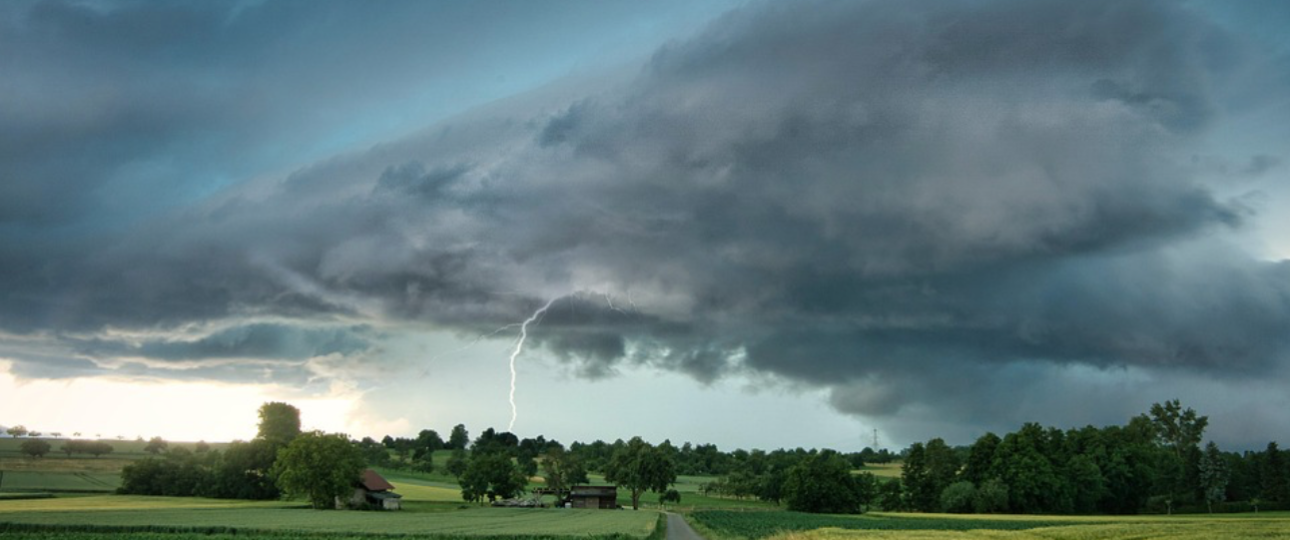
That is why “safe roads to Kedarnath” is more than a travel phrase. It means choosing the right season, checking forecasts, avoiding rushed driving, and understanding that the mountains decide the pace. IMD’s current Uttarakhand forecast shows dry conditions for the next few days, but it also notes that weather can shift with a western disturbance and bring thunderstorms and gusty winds to Uttarakhand later in the week. In the hills, even a short spell of rain can make a road slippery, trigger falling stones, or slow movement dramatically.
Why the Kedarnath route needs extra caution
The approach to Kedarnath is not a normal highway drive. Pilgrims generally travel by road up to Sonprayag/Gaurikund and then continue on foot along the trek route to the shrine. That final mountain stretch is only a part of the journey, but it is the part that is most sensitive to weather and terrain. The trek is well known, but it is also exposed to forest slopes, river valleys, steep climbs, and sudden weather changes. Official tourism guidance highlights the Gaurikund-to-temple trek as the main route, which is why road and weather safety on the approach road matters so much.
Last year’s rains were a reminder that in Uttarakhand, the road can be interrupted without much notice. IMD’s monsoon advisories for 2025 repeatedly warned of heavy rainfall over Uttarakhand in several periods, including isolated heavy to extremely heavy rain in August and isolated heavy rainfall in September. Those kinds of conditions are exactly what can lead to slips, slowdowns, and temporary closures in mountain travel.
What “safe roads” really means in the Kedarnath context
A safe road to Kedarnath is not simply the shortest road. It is the route that is open, stable, and manageable for the driver and passengers in that moment. In mountain terrain, safe travel depends on checking for roadblocks, respecting temporary traffic controls, and allowing extra time. It also means knowing when not to continue. If rain is falling heavily or landslide debris has been reported, stopping early is often the wiser choice than forcing the vehicle onward.
This matters especially because weather in the Himalayas can change faster than the forecast feels on the ground. Even the current April bulletin for Uttarakhand shows that while the state is dry for several days, isolated weather activity can return, and a western disturbance may affect the Western Himalayan region. That is a good reminder for pilgrims that “clear now” does not always mean “clear later.”
Best habits for a safer road journey
The safest Kedarnath trip starts before the vehicle moves. The first rule is to begin early and avoid night driving in the hills. Daylight gives drivers more visibility for sharp bends, falling rocks, animals crossing the road, and surface damage after rain. The second rule is to keep the vehicle light, well-serviced, and suitable for hill roads. A tired engine, weak brakes, worn tyres, or an overloaded car can turn a routine climb into a serious risk. These are practical mountain-driving basics, but they matter even more on a pilgrimage route where many travelers are unfamiliar with the terrain.
The third rule is to travel slowly and defensively. In the hills, speed does not save much time, but it does reduce control. Drivers should leave a larger gap from the vehicle ahead, avoid sharp overtaking, and be prepared for sudden stops due to road repair work, pedestrian movement, or debris. The fourth rule is to keep rain gear, warm clothing, a torch, drinking water, snacks, and a charged power bank within easy reach. Even a short delay can become uncomfortable if weather turns cold or wet.
Before you leave, check these essentials
A Kedarnath road plan should always include a weather check, a route check, and an emergency contact plan. The weather check is simple: look at the official forecast for Uttarakhand, not only the forecast for your home city. The route check means confirming whether the road to Sonprayag/Gaurikund is open and whether there are any local restrictions. The emergency plan means sharing your itinerary with family and carrying local contact numbers, because phone signals can weaken in mountain stretches. IMD’s official warnings show why this matters: in monsoon and shoulder seasons, rainfall, thunderstorm alerts, and gusty winds can appear with little warning.
A good packing list for the road section is short but important: a valid ID, cash, a fully charged phone, offline maps, a rain jacket, warm layers, water, light food, medicines, and sturdy shoes. The road may look fine at the start of the day and become a challenge by afternoon if rain begins. That is why mountain travel should be built around flexibility, not rigid schedules.
The role of timing: when to move and when to pause
For Kedarnath-bound travelers, timing is often as important as route choice. Early morning departures are usually safer because they give you more daylight at the most difficult parts of the journey. They also leave more room to stop if traffic slows, weather turns, or the administration asks vehicles to hold. By contrast, late arrivals create pressure, and pressure leads to mistakes. In the hills, it is better to reach a halt point calmly than to race toward a destination in low visibility.
It is also wise to pause immediately if rain becomes heavy, visibility drops, or stones begin to fall on the road. Mountain routes do not reward bravery in bad weather; they reward judgment. The 2025 IMD monsoon bulletins for Uttarakhand are a reminder that the state can receive heavy rain over several days, and such conditions are exactly when accidents and blockages become more likely.
For pilgrims, safety is part of devotion
Many people travel to Kedarnath with deep faith, and that faith can sometimes make them underestimate the journey. But devotion and caution do not oppose each other. In fact, a careful journey is a more responsible offering than a rushed one. The temple route is sacred, but the road leading to it is still a mountain road. Respecting that reality is the best way to protect yourself, your family, and fellow travelers. The official destination page and trek references make it clear that the route is a defined mountain approach, not an ordinary drive.
Families with children, older travelers, or anyone with breathing, heart, or balance concerns should plan extra rest stops and keep the itinerary shorter each day. If anyone feels altitude stress, exhaustion, or severe nausea, the safest decision is to slow down and seek help rather than push forward. In mountain pilgrimages, patience is not delay; it is safety.
A practical route mindset for this year
The biggest change after last year’s rains should be a change in mindset. Do not treat the Kedarnath route as a fixed schedule. Treat it as a mountain corridor that needs constant reading. Check weather before departure, again at each major stop, and once more before the final approach. Keep your baggage light. Start early. Stay in touch. Leave room for pauses. And above all, accept that a delayed journey is better than a dangerous one.
If you are traveling in the months when rain is more likely, be even more conservative. IMD’s monsoon bulletins repeatedly show that Uttarakhand can receive isolated heavy rainfall and thunderstorm activity during active weather periods. That is enough reason to build a buffer into your plan. A safe pilgrimage is not one where everything goes exactly as scheduled; it is one where you arrive without taking unnecessary risks.
Conclusion
The road to Kedarnath after last year’s rains should be approached with gratitude and discipline. Gratitude, because the route can still take pilgrims to one of the most revered shrines in India. Discipline, because mountain weather and terrain demand respect at every turn. The official route from Gaurikund, the changing Uttarakhand forecasts, and the repeated IMD warnings about heavy rain all point to the same lesson: safe travel is careful travel.
For anyone planning Kedarnath this season, the formula is simple: verify the weather, start early, drive slowly, travel light, and never ignore a warning. In the Himalayas, these small choices are what turn a difficult journey into a safe and memorable one.