Planning a pilgrimage to Yamunotri and Gangotri is not just about booking a hotel and fixing a travel date. In the Himalayas, the road itself is part of the journey, and its condition can change quickly because of snow, rain, landslides, debris, or temporary traffic regulation. Official district pages confirm that Gangotri is reached by road via NH-108, while Yamunotri is approached via NH-94, with regular bus and taxi connectivity from Uttarkashi, Dehradun, Rishikesh, and Haridwar. At the same time, recent weather alerts and road closures in 2026 show that both routes remain highly season-sensitive.
Why the road conditions matter so much
Yamunotri and Gangotri sit deep in Uttarkashi district, close to the higher Himalayan belt, so the roads are exposed to sharp weather shifts. Even when the road is open, movement may be slowed by snow clearance work, traffic controls, or short suspensions during heavy rain or snowfall. In late June 2025, the Char Dham Yatra was briefly suspended after a cloudburst near the Barkot-Yamunotri road blocked multiple points on the Yamunotri National Highway, and in March 2026 the Gangotri highway was temporarily shut because of snow accumulation between Sukki Top and Gangotri Dham.
That is why road condition is not a side detail here; it is central to trip planning. Travelers who understand the terrain, the seasonal pattern, and the likely chokepoints are far better prepared for a smooth pilgrimage. The good news is that the roads do connect both shrines by motorable route up to the last accessible point, and the district administration maintains route and emergency support systems for pilgrims.
Road route to Yamunotri
The Yamunotri route begins on the plains and climbs steadily into the mountains through Barkot and the upper Yamuna valley. The district administration states that Yamunotri is approached via National Highway 94, with regular transport available from Uttarkashi, Barkot, Dehradun, and Rishikesh. Importantly, the motorable road does not go all the way to the temple. Official tourism information says the road ends at Janki Chatti, and visitors must trek roughly 5 to 6 km from there to reach the shrine, though ponies and palanquins are available.
For most of the year, the Yamunotri road is manageable for standard mountain travel, but it is one of the most weather-sensitive pilgrim corridors in Uttarakhand. In January 2026, snow and avalanche risk affected the route and the highway had to be cleared up to Jan Ki Chatti before traffic could move again. Later reports in March 2026 also described damage from fresh snowfall and avalanche activity in the Yamunotri area, reinforcing the fact that this route can become unstable even before the main yatra peak begins.
Road route to Gangotri
Gangotri is more straightforward in the sense that the temple is reached by a motorable road all the way up to the shrine area. The district administration says Gangotri lies on National Highway 108, and the holy shrine is linked by a good motorable road about 248 km from Rishikesh and around 100 km from Uttarkashi headquarters. Uttarakhand Tourism also describes Gangotri as well-connected by road.
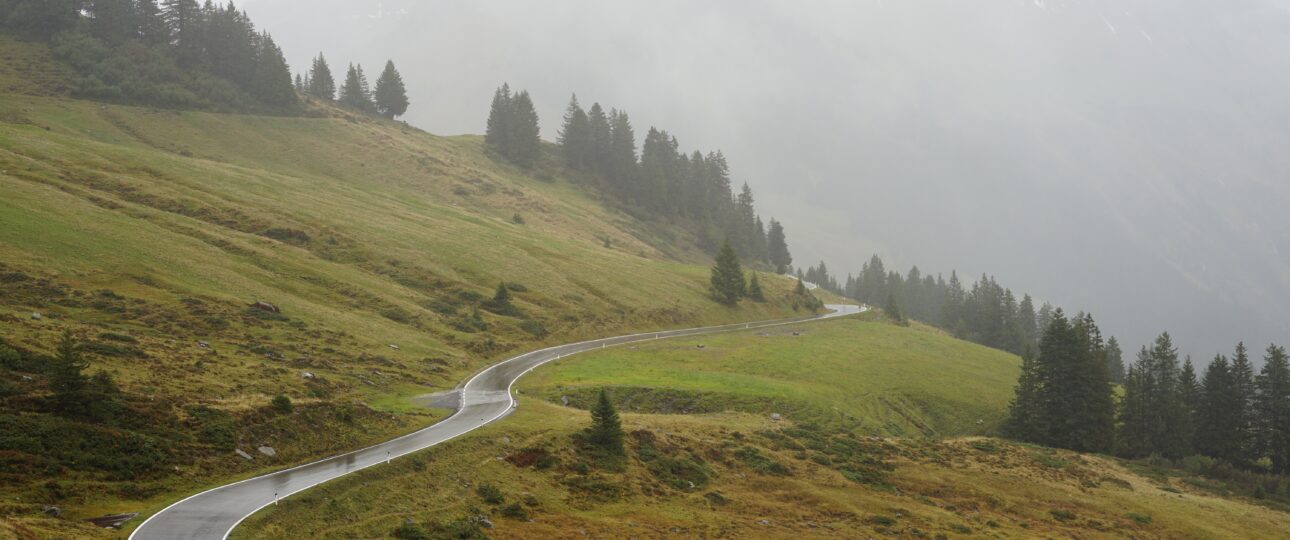
Even so, “motorable” does not mean “easy” in every season. The road passes through high-altitude terrain where snow can accumulate quickly and where stretch closures are common during winter and early spring. On 20 March 2026, the Gangotri highway was temporarily closed due to heavy snowfall between Sukki Top and Gangotri Dham, and in January 2026 authorities again reported snow-blocked stretches, with BRO teams clearing the route and vehicles fitted with snow chains allowed beyond Sukki Top toward Gangotri.
What the roads are like in different seasons
The best way to understand Yamunotri and Gangotri road conditions is by season. In summer, roads are generally open for pilgrimage traffic, but traffic can still slow down because of narrow stretches, tourist congestion, and scheduled checks. During the monsoon, road conditions become less predictable because rain can trigger landslides and debris flow, and authorities may stop or regulate traffic for safety. DD News reported that in June 2025 the yatra was suspended for 24 hours after rain and a cloudburst created landslide risk and debris blockage on the Yamunotri approach road.
In winter and early spring, snow is the bigger concern. March 2026 brought temporary shutdowns on the Gangotri highway because of snowfall, and January 2026 saw both the Gangotri and Yamunotri highways affected by avalanche and snow risk. Uttarkashi and nearby high-altitude areas were placed under avalanche alerts, showing that even when the weather looks better in the plains, mountain sections can remain dangerous.
Key road challenges travelers should expect
The most common road challenges on these routes are snow accumulation, landslides, debris after cloudbursts, temporary closures, slippery bends, and narrow lanes where traffic can back up quickly. These are not rare exceptions; they are recurring realities in the Char Dham belt. In recent official and news reports, BRO and disaster-management teams were repeatedly deployed to clear snow on the Gangotri and Yamunotri stretches, while district authorities adjusted traffic movement according to local weather conditions.
A practical lesson follows from this: a road that is open in the morning may be disrupted by afternoon if the weather changes. That is why the administration maintains control rooms, and why pilgrims are advised to monitor local advisories rather than relying only on old travel experiences or generic tour descriptions. The Uttarkashi district site also lists emergency and disaster helplines for travelers and residents.
How to plan your trip around road conditions
The safest approach is to travel with buffer time. Do not schedule tight onward connections on the same day you expect to reach the shrines. Roads in this region are known to slow down because of weather checks, traffic regulation, and clearance operations, especially when snowfall or rain is active. Because Gangotri and Yamunotri are both in the Uttarkashi district’s mountain zone, a single weather system can affect both routes at the same time.
It is also wise to start early in the day. Mountain roads are usually more manageable in daylight, and early departures give you a better margin in case traffic is stopped for repairs or snow removal. Since Yamunotri requires the final trek from Janki Chatti, it is especially important to arrive with enough time for the walk, rest breaks, and possible pony or palanquin arrangements.
Useful travel support and emergency information
For pilgrims traveling these roads, the Uttarkashi district administration provides emergency numbers that are worth saving before departure. The district helpline page lists Disaster Management Services at 1077, Ambulance at 108, Police at 100, Road Accident Emergency Service at 1073, and National Highway emergency support for private operators at 1033. It also lists the Chief Minister Helpline as 1905.
Saving these numbers matters because phone networks can be unreliable in parts of the Himalayan corridor, and quick access to official support can make a difference during route disruption. In addition, district and transport authorities periodically update route and traffic information during the yatra season, so checking current advisories before you leave is one of the most practical steps you can take.
Best time to travel for easier road conditions
For generally smoother road conditions, the most favorable window is usually the stable travel season outside the peak monsoon and the harsh winter period. Even then, the Himalayas can surprise travelers, so “best time” does not mean “risk free.” The 2026 reports of snow-related closures in March and January show that high-altitude weather can interfere well before the main pilgrimage rush.
For many travelers, May and June are often preferred because the routes are more operationally settled and the pilgrimage season is in full swing, but this is still a mountain journey, not a plain-road drive. Weather checks, traffic control, and occasional stoppages remain part of the experience, especially on the higher sections near Gangotri and the Yamunotri approach road toward Janki Chatti.
Final thoughts
Road conditions to Yamunotri and Gangotri are best described as beautiful, sacred, and constantly changeable. Gangotri offers a fully motorable road up to the shrine area, while Yamunotri requires a motor road to Janki Chatti followed by a 5 to 6 km trek. Both routes are maintained and regularly used by buses, taxis, and pilgrim vehicles, but they are also exposed to snow, rain, landslides, and temporary closures. Recent 2026 updates show that even in the shoulder season, the roads can be interrupted by snowfall or avalanche warnings, so flexibility is essential.
If you are preparing for the yatra, treat the road as part of the pilgrimage: respect the weather, leave early, keep emergency numbers ready, and follow district advisories closely. That approach makes the journey safer and more peaceful, which is exactly what a Char Dham trip should feel like.