
Top Spiritual Spots in Chardham Yatra

The Char Dham Yatra is one of the most sacred pilgrimages in India, drawing millions of devotees every year to the serene heights of the Himalayas. Nestled in the Garhwal region of Uttarakhand, this spiritual journey includes four divine shrines—Yamunotri Temple, Gangotri Temple, Kedarnath Temple, and Badrinath Temple. These four sacred destinations are not just temples but spiritual gateways believed to cleanse the soul and lead devotees toward moksha (liberation). The journey traditionally begins from Yamunotri and concludes at Badrinath, following a clockwise direction. In this blog, we explore the top spiritual spots in the Chardham Yatra, their significance, and what makes each one a divine experience. 1. Yamunotri Temple – The Source of Divine Purity The journey begins at Yamunotri Temple, dedicated to Goddess Yamuna. Situated at an altitude of around 3,293 meters, this sacred site marks the origin of the Yamuna River, one of India’s holiest rivers. Spiritual Significance According to Hindu mythology, bathing in the waters of the Yamuna protects devotees from untimely death and purifies the soul. The temple symbolizes purity and life energy, as Yamuna is considered the sister of Yama, the god of death. Key Attractions Surya Kund: A hot water spring where pilgrims cook rice as an offering. Divya Shila: A sacred rock worshipped before entering the temple. Scenic trekking route from Janki Chatti, offering breathtaking Himalayan views. Experience Reaching Yamunotri requires a trek of about 6 km, making it both a spiritual and physical journey. The peaceful surroundings, snow-clad peaks, and the sound of flowing water create a deeply meditative atmosphere. 2. Gangotri Temple – The Origin of the Ganges The second stop is Gangotri Temple, dedicated to Goddess Ganga. Located at an altitude of around 3,100 meters, this temple marks the origin of the sacred River Ganga. Spiritual Significance It is believed that Goddess Ganga descended to Earth at this place to cleanse the sins of humanity, following the penance of King Bhagirath. The river is revered as the ultimate purifier in Hinduism. Key Attractions Bhagirath Shila: Where King Bhagirath meditated. Gaumukh Glacier: The actual source of the Ganga, a trek further ahead. Evening Ganga Aarti on the banks of the river. Experience Gangotri offers a serene spiritual environment combined with natural beauty. The sound of the flowing Bhagirathi River and the chants during aarti create an unforgettable divine experience. 3. Kedarnath Temple – The Abode of Lord Shiva One of the most revered shrines in India, Kedarnath Temple is dedicated to Lord Shiva. Located at an altitude of 3,584 meters, it is one of the twelve Jyotirlingas. Spiritual Significance Kedarnath represents salvation and liberation. It is believed that visiting this temple frees devotees from the cycle of birth and death. The temple has deep connections with the Mahabharata, as the Pandavas are said to have sought Lord Shiva’s blessings here. Key Attractions Kedarnath Jyotirlinga: The main deity. Bhairavnath Temple: A guardian deity of Kedarnath. Stunning views of snow-covered Himalayan peaks. Experience The trek to Kedarnath (about 16 km from Gaurikund) is both challenging and spiritually uplifting. The temple’s location amidst towering mountains creates a powerful aura of devotion and surrender. Recent reports show that thousands of pilgrims visit Kedarnath within days of opening, highlighting its immense spiritual importance. 4. Badrinath Temple – The Land of Salvation The final destination of the yatra is Badrinath Temple, dedicated to Lord Vishnu in his form as Badrinarayan. Spiritual Significance Badrinath symbolizes ultimate liberation and divine knowledge. It is believed that Adi Shankaracharya established this temple in the 8th century, making it one of the most important pilgrimage sites in India. Key Attractions Tapt Kund: A natural hot spring for ritual bathing. Narad Kund: Associated with sage Narada. Mana Village: The last Indian village near the Tibet border. Experience Unlike the rugged terrains of Kedarnath, Badrinath is more accessible. The temple’s colorful architecture and the Alaknanda River flowing nearby create a peaceful yet spiritually intense environment. The opening of Badrinath Temple each year marks a significant moment in the Char Dham Yatra, drawing thousands of devotees. 5. Spiritual Importance of the Four Dhams Each dham represents a unique aspect of spiritual evolution: Yamunotri – Purity and cleansing Gangotri – Spiritual awakening Kedarnath – Liberation from karma Badrinath – Ultimate salvation Together, they form a complete spiritual cycle that symbolizes the journey of life—from birth to liberation. The yatra is believed to wash away sins and help devotees attain peace and enlightenment. 6. The Sacred Rivers Connection One of the most unique aspects of the Char Dham Yatra is its connection to four sacred rivers: Yamuna (Yamunotri) Ganga (Gangotri) Mandakini (Kedarnath) Alaknanda (Badrinath) These rivers are considered lifelines of spiritual and physical existence, making the yatra deeply symbolic. 7. Best Time to Visit Chardham The Char Dham temples open every year around April–May and remain accessible until October–November, depending on weather conditions. Ideal Months: May to June – Pleasant weather, peak season September to October – Less crowd, clear skies Avoid monsoon months due to landslides and travel disruptions. 8. Tips for a Spiritual Journey To make your Chardham Yatra meaningful and safe: Prepare physically for treks, especially Kedarnath and Yamunotri. Carry essentials like warm clothes, medicines, and ID proof. Register officially before starting the yatra. Respect local traditions and maintain cleanliness. Stay hydrated and acclimatize properly at high altitudes. 9. Beyond the Temples – Hidden Spiritual Spots While the four main temples are the highlights, several nearby locations enhance the spiritual experience: Har Ki Pauri (Haridwar) – Starting point of the journey Rishikesh – Yoga capital of the world Triyuginarayan Temple – Associated with Lord Shiva and Parvati’s wedding Mana Village – Mythological connection with the Mahabharata These places add depth and richness to the pilgrimage. Conclusion The Char Dham Yatra is not just a journey across four temples—it is a transformational spiritual experience. From the purity of Yamunotri to the salvation offered at Badrinath, every step of the journey brings devotees closer to inner peace and divine connection. Surrounded by the majestic Himalayas, sacred rivers, and centuries-old traditions, the Chardham Yatra continues to inspire millions seeking faith, healing, and enlightenment. Whether you are a devotee or a traveler, this journey offers something beyond words—a sense of spiritual awakening that stays with you forever.
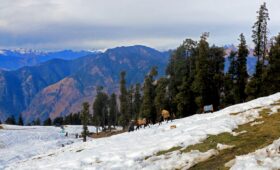
The Char Dham Yatra is one of the most sacred pilgrimages in India, drawing millions of devotees every year to the serene heights of the Himalayas. Nestled in the Garhwal region of Uttarakhand, this spiritual journey includes four divine shrines—Yamunotri Temple, Gangotri Temple, Kedarnath Temple, and Badrinath Temple.

These four sacred destinations are not just temples but spiritual gateways believed to cleanse the soul and lead devotees toward moksha (liberation). The journey traditionally begins from Yamunotri and concludes at Badrinath, following a clockwise direction. 

In this blog, we explore the top spiritual spots in the Chardham Yatra, their significance, and what makes each one a divine experience.


1. Yamunotri Temple – The Source of Divine Purity

The journey begins at Yamunotri Temple, dedicated to Goddess Yamuna. Situated at an altitude of around 3,293 meters, this sacred site marks the origin of the Yamuna River, one of India’s holiest rivers. 

Spiritual Significance

According to Hindu mythology, bathing in the waters of the Yamuna protects devotees from untimely death and purifies the soul. The temple symbolizes purity and life energy, as Yamuna is considered the sister of Yama, the god of death.

Key Attractions

  • Surya Kund: A hot water spring where pilgrims cook rice as an offering.
  • Divya Shila: A sacred rock worshipped before entering the temple.
  • Scenic trekking route from Janki Chatti, offering breathtaking Himalayan views.

Experience

Reaching Yamunotri requires a trek of about 6 km, making it both a spiritual and physical journey. The peaceful surroundings, snow-clad peaks, and the sound of flowing water create a deeply meditative atmosphere.


2. Gangotri Temple – The Origin of the Ganges

The second stop is Gangotri Temple, dedicated to Goddess Ganga. Located at an altitude of around 3,100 meters, this temple marks the origin of the sacred River Ganga. 

Spiritual Significance

It is believed that Goddess Ganga descended to Earth at this place to cleanse the sins of humanity, following the penance of King Bhagirath. The river is revered as the ultimate purifier in Hinduism.

Key Attractions

  • Bhagirath Shila: Where King Bhagirath meditated.
  • Gaumukh Glacier: The actual source of the Ganga, a trek further ahead.
  • Evening Ganga Aarti on the banks of the river.

Experience

Gangotri offers a serene spiritual environment combined with natural beauty. The sound of the flowing Bhagirathi River and the chants during aarti create an unforgettable divine experience.


3. Kedarnath Temple – The Abode of Lord Shiva

One of the most revered shrines in India, Kedarnath Temple is dedicated to Lord Shiva. Located at an altitude of 3,584 meters, it is one of the twelve Jyotirlingas. 

Spiritual Significance

Kedarnath represents salvation and liberation. It is believed that visiting this temple frees devotees from the cycle of birth and death. The temple has deep connections with the Mahabharata, as the Pandavas are said to have sought Lord Shiva’s blessings here.

Key Attractions

  • Kedarnath Jyotirlinga: The main deity.
  • Bhairavnath Temple: A guardian deity of Kedarnath.
  • Stunning views of snow-covered Himalayan peaks.

Experience

The trek to Kedarnath (about 16 km from Gaurikund) is both challenging and spiritually uplifting. The temple’s location amidst towering mountains creates a powerful aura of devotion and surrender.

Recent reports show that thousands of pilgrims visit Kedarnath within days of opening, highlighting its immense spiritual importance. 


4. Badrinath Temple – The Land of Salvation

The final destination of the yatra is Badrinath Temple, dedicated to Lord Vishnu in his form as Badrinarayan.

Spiritual Significance

Badrinath symbolizes ultimate liberation and divine knowledge. It is believed that Adi Shankaracharya established this temple in the 8th century, making it one of the most important pilgrimage sites in India. 

Key Attractions

  • Tapt Kund: A natural hot spring for ritual bathing.
  • Narad Kund: Associated with sage Narada.
  • Mana Village: The last Indian village near the Tibet border.

Experience

Unlike the rugged terrains of Kedarnath, Badrinath is more accessible. The temple’s colorful architecture and the Alaknanda River flowing nearby create a peaceful yet spiritually intense environment.

The opening of Badrinath Temple each year marks a significant moment in the Char Dham Yatra, drawing thousands of devotees. 


5. Spiritual Importance of the Four Dhams

Each dham represents a unique aspect of spiritual evolution:

  • Yamunotri – Purity and cleansing
  • Gangotri – Spiritual awakening
  • Kedarnath – Liberation from karma
  • Badrinath – Ultimate salvation

Together, they form a complete spiritual cycle that symbolizes the journey of life—from birth to liberation.

The yatra is believed to wash away sins and help devotees attain peace and enlightenment. 


6. The Sacred Rivers Connection

One of the most unique aspects of the Char Dham Yatra is its connection to four sacred rivers:

  • Yamuna (Yamunotri)
  • Ganga (Gangotri)
  • Mandakini (Kedarnath)
  • Alaknanda (Badrinath)

These rivers are considered lifelines of spiritual and physical existence, making the yatra deeply symbolic. 


7. Best Time to Visit Chardham

The Char Dham temples open every year around April–May and remain accessible until October–November, depending on weather conditions. 

Ideal Months:

  • May to June – Pleasant weather, peak season
  • September to October – Less crowd, clear skies

Avoid monsoon months due to landslides and travel disruptions.


8. Tips for a Spiritual Journey

To make your Chardham Yatra meaningful and safe:

  • Prepare physically for treks, especially Kedarnath and Yamunotri.
  • Carry essentials like warm clothes, medicines, and ID proof.
  • Register officially before starting the yatra.
  • Respect local traditions and maintain cleanliness.
  • Stay hydrated and acclimatize properly at high altitudes.

9. Beyond the Temples – Hidden Spiritual Spots

While the four main temples are the highlights, several nearby locations enhance the spiritual experience:

  • Har Ki Pauri (Haridwar) – Starting point of the journey
  • Rishikesh – Yoga capital of the world
  • Triyuginarayan Temple – Associated with Lord Shiva and Parvati’s wedding
  • Mana Village – Mythological connection with the Mahabharata

These places add depth and richness to the pilgrimage.


Conclusion

The Char Dham Yatra is not just a journey across four temples—it is a transformational spiritual experience. From the purity of Yamunotri to the salvation offered at Badrinath, every step of the journey brings devotees closer to inner peace and divine connection.

Surrounded by the majestic Himalayas, sacred rivers, and centuries-old traditions, the Chardham Yatra continues to inspire millions seeking faith, healing, and enlightenment.

Whether you are a devotee or a traveler, this journey offers something beyond words—a sense of spiritual awakening that stays with you forever.

You may also like...

Leave a Reply

Your email address will not be published. Required fields are marked *