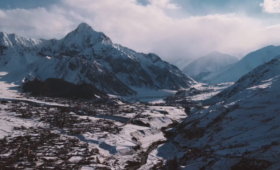
The Chardham Yatra is more than a journey. It is a spiritual experience that takes pilgrims through some of the most beautiful, but also most challenging, roads in India. The highways leading to Yamunotri, Gangotri, Kedarnath, and Badrinath pass through steep climbs, sharp bends, narrow stretches, changing weather, and areas prone to landslides. For drivers, this means one important thing: safety must come before speed.
Whether you are driving your own car, a hired vehicle, or travelling in a group, safe driving on Chardham highways requires preparation, patience, and alertness. A trip that begins with devotion should not be spoiled by carelessness on the road. In this blog, let us explore practical and essential safe driving tips for Chardham highways so that your journey remains smooth, secure, and peaceful.
Understand the Nature of Chardham Roads
Before starting the journey, it is important to understand that Chardham highways are not like city roads or even regular hill routes. These roads often have:
- steep uphill and downhill slopes
- narrow single-lane stretches
- blind curves
- sudden fog, rain, and snowfall
- loose stones and uneven surfaces
- traffic congestion during the pilgrimage season
- falling rocks or landslide-prone areas
Because of these conditions, a driver must remain fully focused at all times. Overconfidence can be dangerous, especially in the mountains where one mistake can have serious consequences. The key is to drive slowly, anticipate obstacles, and respect the terrain.
Prepare Your Vehicle Well in Advance
A safe trip begins long before you enter the hills. Your vehicle must be in excellent condition before starting the Yatra. Do not wait until the last moment to check the car.
Make sure to inspect the following:
- brakes
- clutch and gearbox
- tyres and tyre pressure
- engine oil and coolant
- windshield wipers
- headlights, fog lights, and indicators
- battery condition
- horn
- spare tyre, jack, and puncture kit
- fuel level
In hilly terrain, brakes and tyres are especially important. Brake failure on a mountain road can be extremely dangerous. Tyres should have proper tread depth so they can grip the road well, especially during rain. If the vehicle is older or has been poorly maintained, it is better to service it thoroughly before the trip.
Also, ensure that the fuel tank is always adequately filled. Fuel stations may be far apart in some areas, so do not let the tank run too low.
Do Not Overload the Vehicle
One of the most common mistakes during pilgrimage travel is carrying too many people or too much luggage in one vehicle. Overloading affects braking, balance, engine performance, and control, especially on steep roads.
Every vehicle has a safe load limit. Exceeding it makes driving harder and increases the risk of accidents. Keep luggage compact and only carry essentials. If you are travelling with family or elders, make sure everyone has a proper seat and seat belt. Do not allow anyone to sit in unsafe positions, such as near the boot area, on top of luggage, or with bodies hanging out of windows.
A light and balanced vehicle is always easier and safer to control on mountain roads.
Drive Slowly and Stay in Control
On Chardham highways, speed is never your friend. The road may look open at times, but sudden turns, animals, pedestrians, or oncoming traffic can appear without warning.
Follow these driving habits:
- maintain a slow, steady speed
- avoid sudden acceleration
- avoid harsh braking
- keep both hands on the steering wheel
- use lower gears on inclines and declines
- never try to overtake on bends or narrow roads
Driving slowly may seem time-consuming, but it gives you better control and more reaction time. In the hills, a few extra minutes are far better than taking unnecessary risks.
Use Gears Properly on Hills
Driving in hilly terrain requires correct use of gears. Many accidents happen because drivers either depend too much on the brakes or shift gears incorrectly.
When going uphill, use a lower gear to give the engine more power and prevent the vehicle from losing momentum. When going downhill, also use a lower gear so the engine helps control the speed. This reduces pressure on the brakes and prevents overheating.
Do not ride the clutch unnecessarily. It increases wear and makes the vehicle less stable. Similarly, do not keep pressing the brake continuously on long descents. Instead, use engine braking along with gentle, controlled braking when needed.
Understanding gear control is one of the most important skills for mountain driving.
Be Extra Careful in Rain, Fog, and Snow
Weather in the Chardham region can change quickly. A clear morning can become foggy by afternoon, and rain may turn roads slippery within minutes. In higher altitudes, snowfall and frost can make surfaces even more dangerous.
During such conditions:
- use low-beam headlights
- switch on fog lights if visibility is poor
- increase the distance from the vehicle ahead
- reduce speed further
- avoid sudden steering movements
- stop safely if conditions become too bad
If the road is covered with water, mud, or ice, drive even more carefully. Sudden braking on slippery roads can cause skidding. In fog, do not rely only on the vehicle ahead. Keep watching the road edge, lane markings, and signs, if visible.
If visibility becomes extremely poor, it is wiser to stop at a safe location and wait rather than forcing the journey forward.
Watch Out for Landslides and Falling Rocks
Landslides are a real possibility in Himalayan routes, especially during the monsoon or after heavy rainfall. In some sections, stones may fall from hillsides without warning. This makes alertness essential.
Always pay attention to:
- warning signs
- roadblocks
- fresh debris on the road
- cracks in the hillside
- water flow across the road
- local traffic advisories
If you see signs of a possible landslide, do not stop directly below an unstable slope. Move the vehicle to a safe open area if possible. Never try to cross a blocked or partially blocked road unless local authorities have confirmed that it is safe.
It is also a good idea to travel during daylight hours so that you can better detect road changes and hazards.
Avoid Night Driving on Mountain Roads
Night driving in the Chardham region should be avoided as much as possible. Mountain roads become much more difficult after dark. Darkness reduces visibility, and many risks such as potholes, animals, sharp turns, or loose gravel may not be visible until the last moment.
At night, fatigue also becomes a major issue. A tired driver reacts more slowly and may miss warning signs. If your travel plan includes long distances, try to complete the hill sections before sunset. If that is not possible, find a secure place to stay and continue the next morning.
A delayed journey is always better than a dangerous one.
Keep a Safe Distance from Other Vehicles
In the hills, tailgating is extremely unsafe. Vehicles can stop suddenly because of animals, pedestrians, sharp curves, or road damage. If you are too close, you may not have enough time to react.
Always maintain a safe gap between your vehicle and the one ahead. This is especially important on downhill stretches where stopping distance increases. A little extra space can prevent a serious collision.
Also, be cautious when following buses, trucks, or larger vehicles. They may block your view of the road ahead. Do not rush to overtake unless the road is clear, wide enough, and completely safe.
Respect Local Traffic and Road Rules
Traffic discipline is vital on Chardham highways. During the pilgrimage season, roads often become crowded with private vehicles, taxis, buses, and local transport. Horns, impatience, and risky overtaking create confusion and increase danger.
Always follow road signs, lane discipline, and instructions from traffic police or local authorities. Do not try to use shortcuts or blocked paths just to save time. Many mountain roads require one-way movement or controlled passage. Ignoring these rules can create jams and accidents.
Respect also applies to pedestrians, pilgrims walking on the road, and local residents. Slow down in crowded stretches and pass carefully.
Carry the Right Emergency Supplies
A good driver prepares for unexpected situations. Since help may not always be immediately available in remote areas, keeping emergency supplies in the vehicle is wise.
Useful items include:
- first-aid kit
- drinking water
- torch and spare batteries
- phone charger or power bank
- basic snacks
- warm clothes or blankets
- essential medicines
- tow rope
- reflective triangle or warning sign
- spare tyre and tools
- vehicle documents
These supplies can be very helpful if your vehicle breaks down, if the weather changes suddenly, or if you are delayed on the road.
It is also wise to keep your mobile phone charged and share your travel route with a family member or friend before departure.
Do Not Drive When Tired
Fatigue is one of the silent dangers of road travel. Long journeys, poor sleep, and high-altitude conditions can make the driver feel sleepy or less alert. In the mountains, even a moment of inattention can be risky.
Take regular breaks. Stop to stretch, drink water, and rest. If you feel dizzy, sleepy, or mentally exhausted, do not continue driving. Let another experienced driver take over if possible.
Never drive after consuming alcohol, strong sedatives, or any medicine that affects alertness. Mountain roads demand full attention, quick thinking, and stable reflexes.
Be Patient with Traffic and Delays
During the Chardham season, traffic jams are common. Roadwork, narrow passages, landslide clearance, and pilgrim movement can all slow down travel. Frustration can tempt drivers to take unsafe actions such as overtaking from the wrong side or ignoring traffic control.
Patience is a safety tool. Accept that the journey may take longer than expected. Start early, keep buffer time, and avoid a rushed mindset. A calm driver makes better decisions than an impatient one.
Listen to Local Advice
People who live in the region often know the roads best. They understand which stretches are risky, where landslides are common, and how weather is changing. Do not ignore local advice, police alerts, or road information from hotel staff and transport operators.
Before entering a difficult stretch, ask about current road conditions. A simple warning from a local person may save you from trouble. Local knowledge is often more useful than GPS alone, since mountain roads can change quickly.
Final Thoughts
Driving on Chardham highways is not just about reaching a destination. It is about travelling responsibly through one of the most beautiful and challenging landscapes in India. The roads demand discipline, patience, preparedness, and respect. When you drive safely, you protect not only yourself but also your passengers, other pilgrims, and local communities.
Remember the core principles: keep your vehicle well maintained, drive slowly, use gears wisely, avoid night travel, watch the weather, and never take unnecessary risks. A safe journey allows you to focus on the spiritual purpose of the Yatra and return with peaceful memories instead of regrets.
The mountains reward careful travelers. Drive with caution, travel with awareness, and make safety your first companion on the Chardham highways.